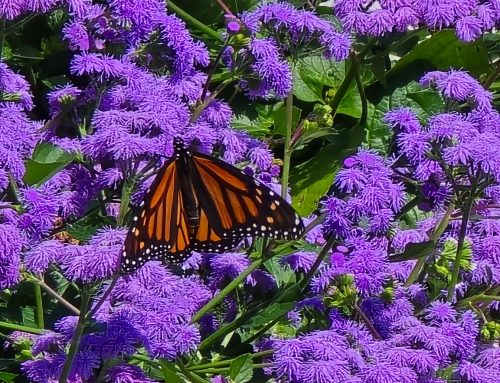
Forcing bulbs like narcissus, tulips, and hyacinths and branches from forsythia and redbud trees is one of the indoor gardening delights I look forward to every late winter. They always fill the home with color and heavenly scents and make me feel a little closer to spring, even though it is still a few months away.
Forcing blooms is a simple practice that has been used for generations, long before seed catalogs and grow lights, when gardeners relied on intuition, observation, and the hopeful act of bringing nature inside. While there are numerous blog posts about forcing flower bulbs, there aren’t as many about forcing tree branches. So, I thought I would offer one here.
What does it mean to “force” branches?
Despite the bossy name, forcing is actually quite gentle. Many flowering trees and shrubs – forsythia, cherry, quince, redbud – form their flower buds the previous growing season. Winter’s cold satisfies their dormancy needs, and once they’ve had enough chill, warmth becomes the final nudge.
By cutting branches and placing them in water indoors, you recreate the conditions of early spring. The buds wake up. And then – sometimes when you least expect it – they bloom.
When to cut branches
Late winter is ideal. Forsythia is often ready surprisingly early, sometimes as soon as mid-winter if the cold has been steady. Look closely at the branches outside:
- Flower buds are plump and rounded
- Leaf buds are smaller and pointier
Here in Northern Kentucky, even though snow has been on the ground for the last few weeks, I was able to find a few forsythia branches that already had some nice plump buds:

It’s a bit early for the red buds, but here is what they looked like last year:
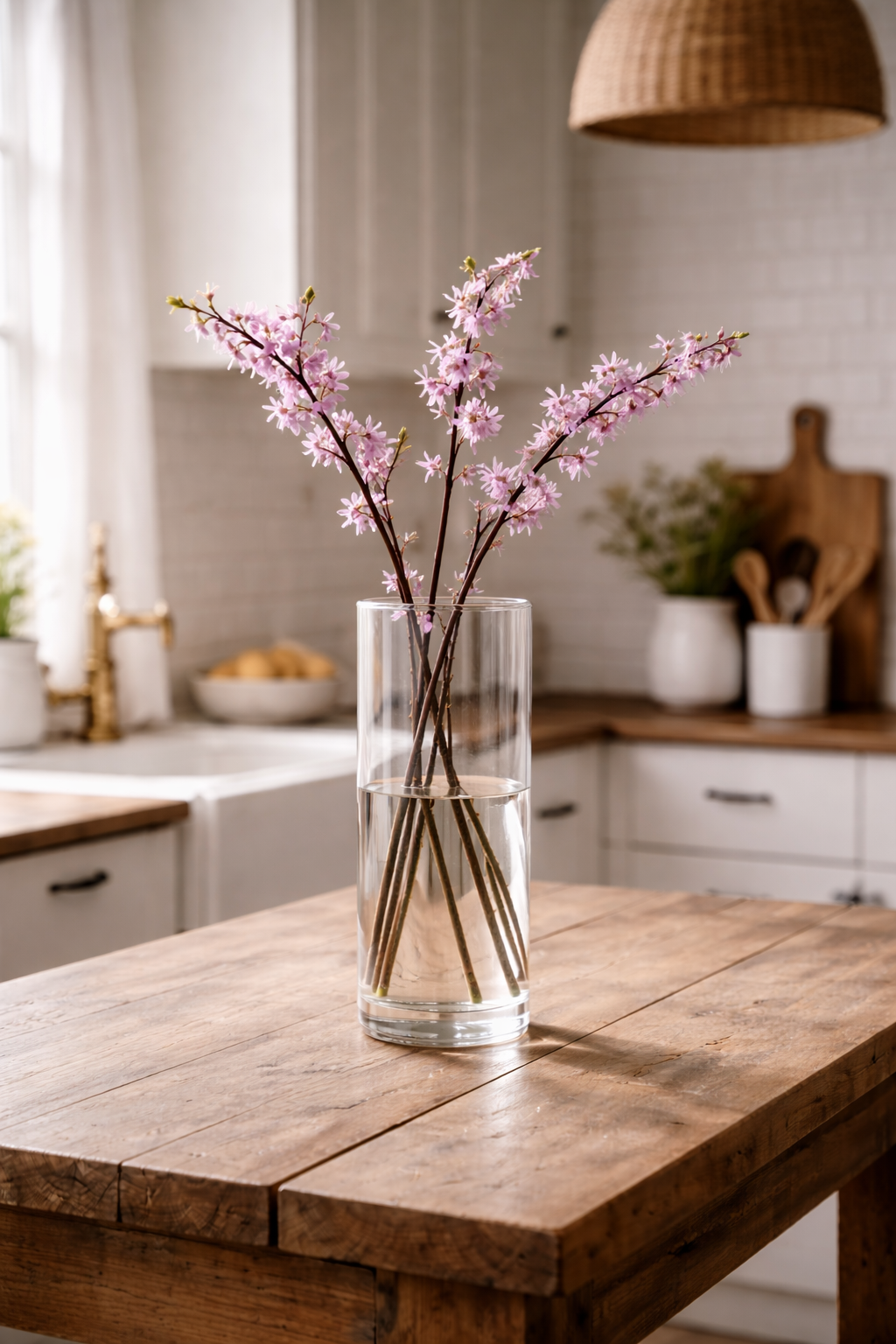
How to force branches to bloom indoors – It’s quite easy to do:
- Cut thoughtfully
Use sharp pruners and cut branches 12–24 inches long, choosing healthy stems. Cut at an angle, which helps with water uptake. This also counts as pruning, so your garden benefits too. - Give them a warm welcome
Place branches immediately into lukewarm water. Let them rest in a cool space – like a mudroom or unheated hallway – for the first day. This gentle transition helps prevent shock. - Bring them into the light
After 24 hours, move branches into a bright room (out of direct sunlight). Change the water every few days, trimming the stems slightly if needed. - Be patient
Forsythia usually blooms within 7–14 days. Other branches may take longer. The anticipation is part of the pleasure.
A few tricks:
- Cooler rooms help blooms last longer
- Light misting can help if buds look dry
- Keep branches away from heat vents and fireplaces
Best branches for forcing
- Forsythia (the easiest and most cheerful)
- Flowering quince
- Cherry or plum
- Redbud
- Serviceberry
- Pussy willow (for soft texture rather than flowers)
Enjoy the pleasure of early spring bloom.
Have a wonderful week.
Pam