Passionate About Peonies
The genus Paeonia contains more than 30 species and hundreds of different varieties, many of which have been cultivated for thousands of years, primarily originating from China or Japan.
The genus Paeonia contains more than 30 species and hundreds of different varieties, many of which have been cultivated for thousands of years, primarily originating from China or Japan.
You know spring has arrived when you begin to see tulips, daffodils, and the fragrant blossoms of flowering shrubs. Not only do spring flowers offer eye-catching beauty, but they also provide protection and homes for nesting birds and pollen and nectar for bees, butterflies, and beneficial insects.
Depending on one’s age, physical health status, and intensity of activity, working in the garden is an excellent source of moderate to vigorous physical activity.
Spring has finally arrived, and I am so excited. For the better part of a month, a litany of endless meetings and tight deadlines have kept me away from the garden and unable to find time to write for this blog.
Today, I’ll discuss how plants communicate with each other – and boy, do they have a lot to say. Naturally, plants don’t “talk” to each other in the same manner as humans do, but they nevertheless actively communicate with each other in a variety of ways. How?
Last week I talked about music and how plants respond to bird songs, symphonies, and sound vibrations. This week, I will discuss whether or not our beloved plants respond to the sound of our voice or the gentle touch of our hand.
As gardeners, we love our plants. So naturally, we are willing to try pretty much anything which might help our beloved ficus or dieffenbachia grow.
Here in Northern Kentucky, I recently woke to a winter wonderland. The garden was already blanketed with several inches of the white stuff, tree branches were gently bowing and swaying, and each fluffy, falling snowflake was nearly the size of a quarter. The scene was stunningly beautiful.
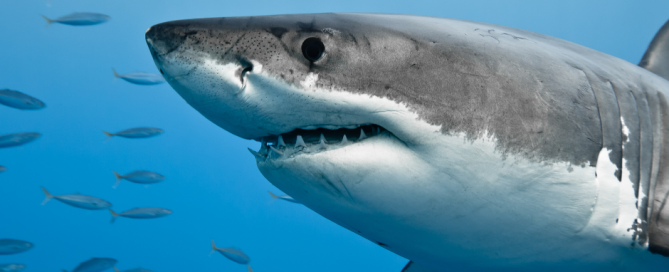
We’ve all this scene before on television. A frenzied attack of voracious sharks feasting on a school of migrating fish. Vicious. Fast. Effective. Not pretty. But did you know in ecology, there really is such as thing as a feeding frenzy? Technically, it occurs when an animal (usually a predator) is overwhelmed by the amount of food (prey) available. Now, watch your dog this evening as he inhales his dinner. You just fed him a few hours earlier so your dog can’t be starving. So, what gives? Genetically, animals instinctively know that in the wild they must eat and