THANK YOU
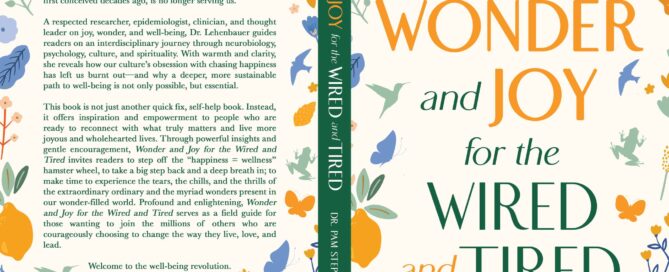
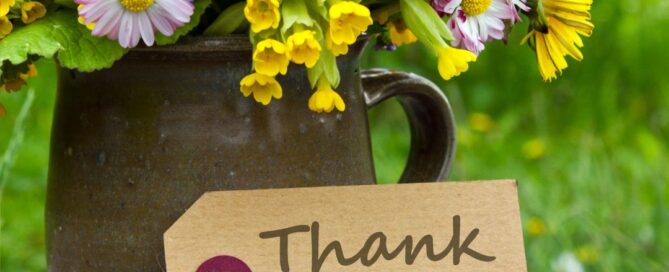
I want to give a BIG thank you to everyone who entered the Goodreads giveaway for a pre-release copy of my book, Wonder and Joy for the Wired and Tired.

I want to give a BIG thank you to everyone who entered the Goodreads giveaway for a pre-release copy of my book, Wonder and Joy for the Wired and Tired.
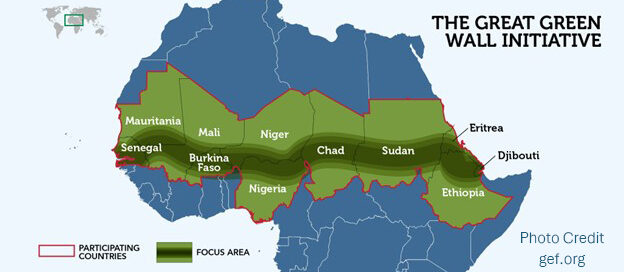
Need some good news? Africa’s Green Belt - often referred to as the Great Green Wall - is one of the continent’s most ambitious environmental and humanitarian projects.
Mid-summer gardening can be a challenging time for both experienced and seasoned gardeners. Environmental and seasonal factors impact not only the health of our plants, but also, the health and well-being of gardeners.
Listen in as Mary Lewis, host of A Tiny Homestead podcast, interviews Pam about wonder, joy, nature, and Pam's new book, "Wonder and Joy for the Wired and Tired."
Enter ASAP because the offer closes on July 20, 2025. Click here to enter.
Thank you to everyone who voted for their preferred cover design for the book.
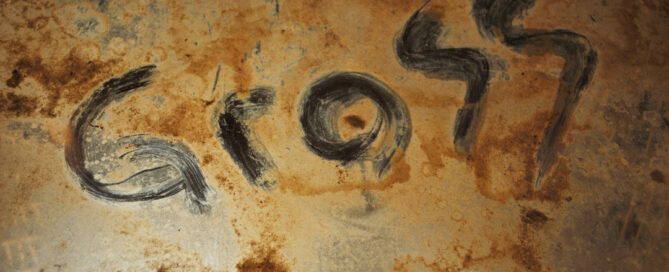
Thanks to the 90 F temperatures that continue to engulf much of the Midwest and Eastern U.S., I find myself needing to give the garden an extra drink of water most days. While watering this am, these two lovely (?) additions popped up overnight.
I had to take some time away from this blog because I was completing the final edits for my book, Wonder and Joy for the Wired and Tired – A Guide to Finding Inspiration and Well-Being in a Wonder-Filled World.
In today's fast-paced, technology-driven world, we often find ourselves distanced from the natural environment. Yet, there is an innate bond between humans and nature that we can’t easily escape — and for good reason. Biophilia, a term popularized by biologist Edward O. Wilson in the 1980s, refers to the deep, instinctive connection humans have with the natural world. This connection, once simply a theory, is now a subject of much research and insight, showing that spending time in nature is not only refreshing but also healing. What Is Biophilia? Biophilia suggests that humans are biologically predisposed to connect with
Plants do not have genders in the same way animals do. Instead, they have reproductive structures that can be classified as male, female, or sometimes both, within the same individual plant. This reproductive system is distinct from the biological concept of gender found in animals. In plants, the terms "male" and "female" are used to describe the functions of reproductive organs rather than gender identity. Here's how it works: Male Reproductive Structures: Stamens: Stamens are the male reproductive organs of a flower. Each stamen typically consists of an anther, where pollen is produced, and a filament that supports