Right now, beneath your freshly laid June mulch, a massive, underground gossip network is buzzing. While you are busy checking your phone notifications, your tomatoes, marigolds, and oak trees are actively texting each other.
Welcome to the Wood Wide Web.
As Mother Nature’s apprentices, we often focus on what is happening above ground—the blooms, the pests, the sudden, tragic wilting of a beloved hydrangea. But the real drama? It is happening right under your boots, courtesy of a massive underground network of fungi called mycorrhizae.
Here is how this mind-blowing, microscopic cellular network actually works, and why your plants are definitely talking about you behind your back.
The Microscopic Fiber-Optic Cables
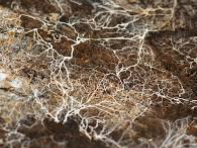
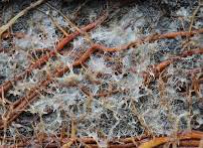
Imagine a web of tiny, thread-like fungal structures called hyphae. They weave through the dirt, physically plugging into the root systems of different plants. This creates a massive, shared underground grid.
It is a beautiful, symbiotic trade deal:
- The Plants’ Offer: They create sugary carbohydrates via photosynthesis and feed them to the fungi.
- The Fungi’s Offer: They have massive reach, absorbing water and hard-to-reach minerals (like phosphorus) and pumping them straight back into the plant roots. It is the ultimate neighborhood co-op. But it gets weirder.
Garden Gossip: An Imagined Transcript
This network isn’t just for sharing food; it is a literal chemical defense pipeline. When a pest attacks a plant, the victim triggers a massive spike in jasmonic acid—the plant world’s universal panic hormone. This chemical signal travels through the fungal network to alert its neighbors.
If we could translate the biological codes passing under your June mulch right now, it would sound something like this:
Tomato Plant A: “Emergency group chat! Hornworms have breached Sector 4 of my lower branch. Pumping jasmonic acid into the mycelium network now! This is not a drill. Repeat. This is not a drill.”
Marigold (three feet away): “Copy that, Tomato A. Message received through the roots. Initiating chemical defense protocol. Flooding my tissues with bitter tannins so I taste like garbage if they come over here.”
Oak Tree Sapling: “I’m on it too! Launching volatile organic compounds (VOCs) into the air. Calling in a parasitic wasp air strike to lay eggs in those hornworms.”
Invasive Pigweed (lurking opportunistically on the edge of the bed): “Wow, sounds intense! Hey, since everyone is distracted, any chance I can hack into the grid and siphon off some of those premium, sugary carbohydrates? I promise I’ll give nothing back.”
Tomato Plant A: “Nope. Bait and switch detected. Unsubscribe.”
The Fungal Network: “Additional opportunistic security breach detected. User ‘Opportunistic Pigweed’ has been blocked from the server. The system is now safe.”
By the time the hornworms even look at the neighboring plants or the pigweed have secretly invaded the garden, those plants have already weaponized their biology. They either taste terrible, have literally called in predatory bodyguards, or have successfully cut off the local freeloaders.
Mother Nature’s Welfare State
The network also acts as a tiny, leafy socialist society. If a mature, deeply rooted oak tree has access to massive amounts of sunlight, it will pump excess sugar down into the network. The fungi will then reroute those resources to a struggling, shaded sapling nearby to keep it alive.
It turns out competition isn’t the only rule of the jungle—cooperation is.
How to Support Your Local Fungal WiFi
If you want to keep this incredible, joy-inducing underground network thriving this summer, here is your apprentice checklist:
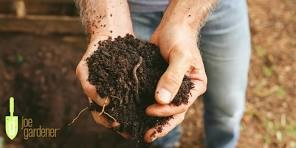
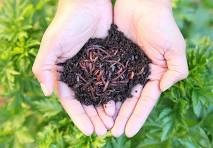
- Step Away from the Tiller: Heavy tilling violently rips up these delicate fungal threads. Leave the soil structure intact whenever possible.
- Ditch the Heavy Chemicals: Synthetic fertilizers can make plants lazy. When bombarded with artificial chemicals, plants stop feeding the fungi, causing the network to wither.
- Keep it Covered: Feed the soil with organic compost and a healthy layer of wood mulch to keep the underground ecosystem cool, moist, and connected.
Final Thoughts
So, the next time you walk out into your June garden, take a moment to look down and appreciate the silent, brilliant conversation happening right beneath your feet. Nature doesn’t thrive in isolation, and neither do we. By protecting the soil, we aren’t just growing plants—we are hosting a massive, interconnected community built on mutual support and survival. Grab your favorite morning beverage, pull up a garden chair, and enjoy the beautiful peace of a backyard network that has been successfully operating long before dial-up internet was even a thought.