Europe: Festive, But a Little Unsettling
Spain – Caga Tió (The Pooping Log)
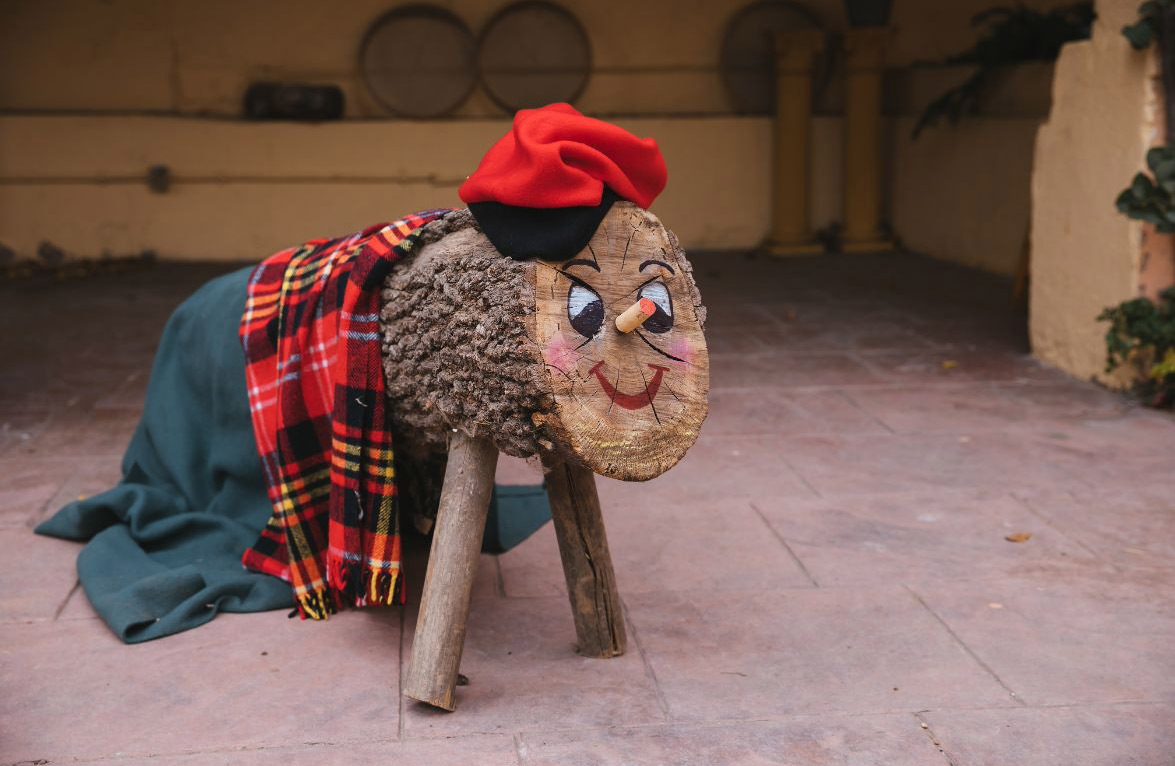
In Catalonia, Christmas cheer begins with a log that has a face, a red hat, and absolutely no dignity. Children beat this log with sticks while singing songs demanding that it defecate presents. Eventually, after sufficient encouragement and violence, the log “poops” gifts and candy beneath a blanket. It’s meant to teach generosity and gratitude. It mostly teaches children that persistence, peer pressure, and mild aggression get results – lessons they will later bring into corporate life.
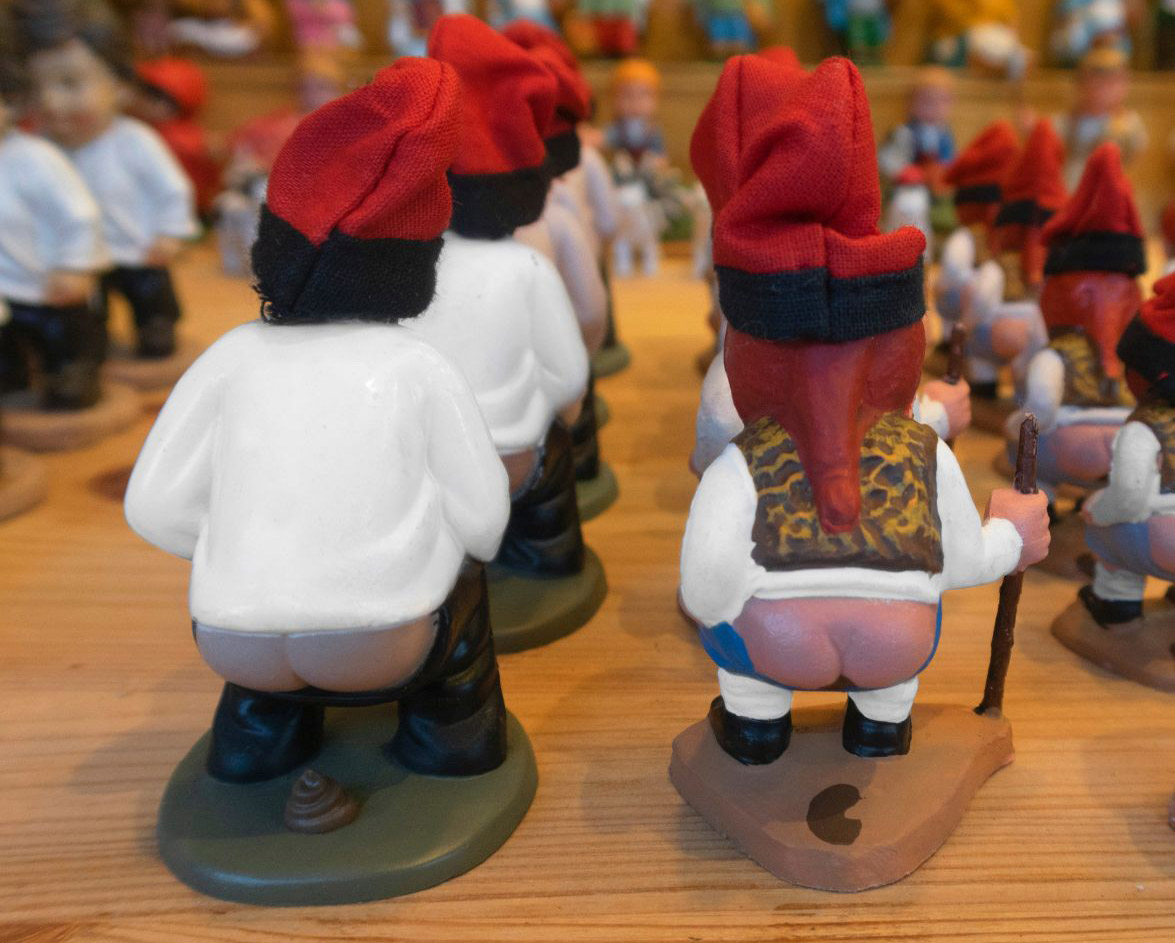
Catalonia – El Caganer
Tucked discreetly (or not so discreetly) into nativity scenes is a tiny figurine squatting with his pants down. This is El Caganer, whose presence is said to ensure good harvests and prosperity.
Apparently, even the birth of Christ needed an agricultural metaphor involving digestion. Children love finding him. Adults pretend it’s symbolic. Everyone is lying a little.
Austria & Germany – Krampusnacht
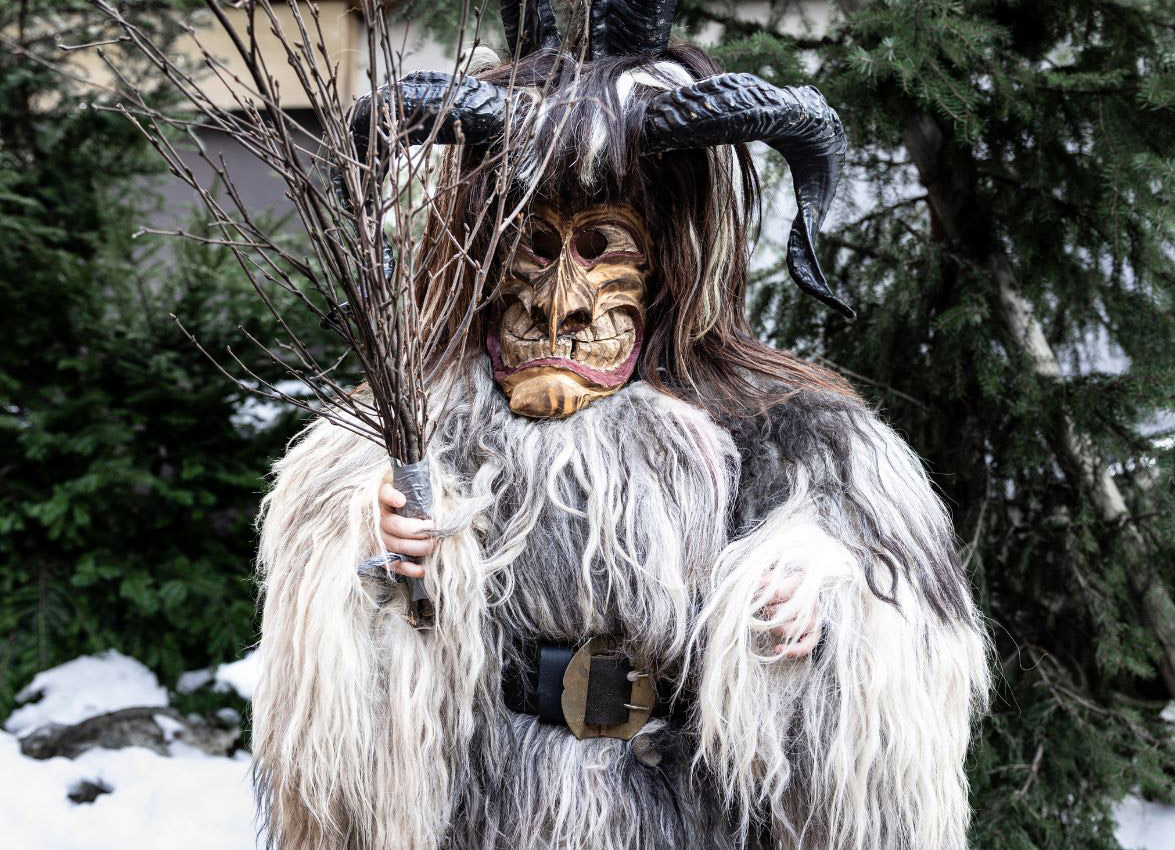
On December 5th, men dress as horned demons, strap on bells, and roam the streets terrifying children and slightly traumatizing tourists. This is Krampusnacht, a pre-Christmas tradition where bad behavior is met not with coal, but with public menace.
Originally intended as moral instruction, it now functions as a sanctioned excuse for grown adults to dress like nightmares and chase strangers through medieval towns. It works. People behave beautifully – or at least a week. Think: Halloween meets an evil Santa.
Czech Republic – Shoe-Throwing for Love
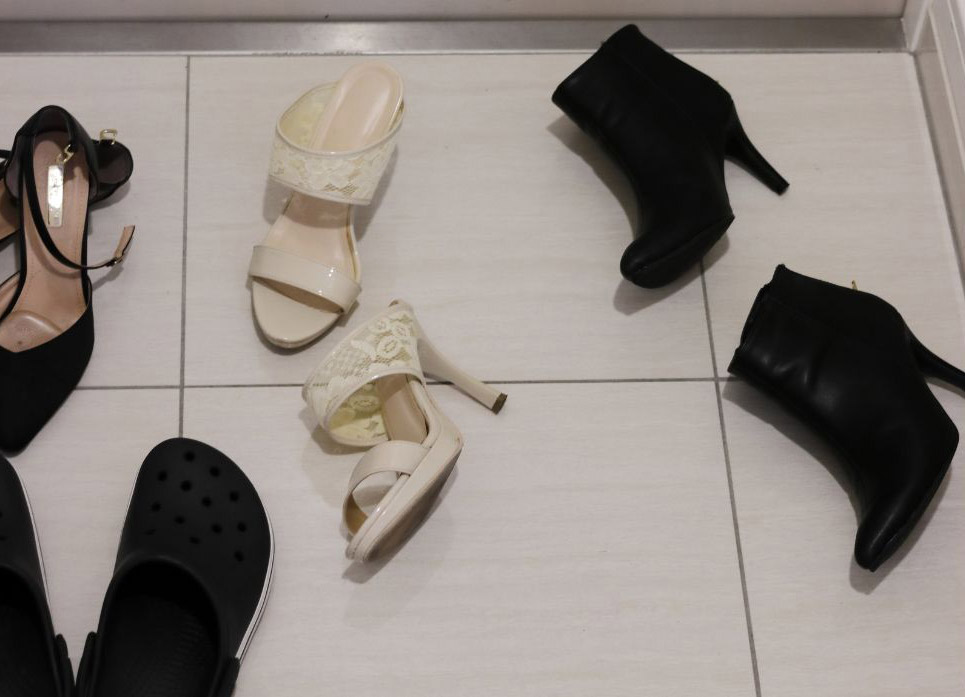
Unmarried women stand with their backs to the door and hurl a shoe over their shoulder. If the toe points toward the door, marriage is imminent. If the heel points toward the door, you remain single. Toe toward the door = marriage. Heel = another year with your houseplants.
Norway – Hide Your Brooms
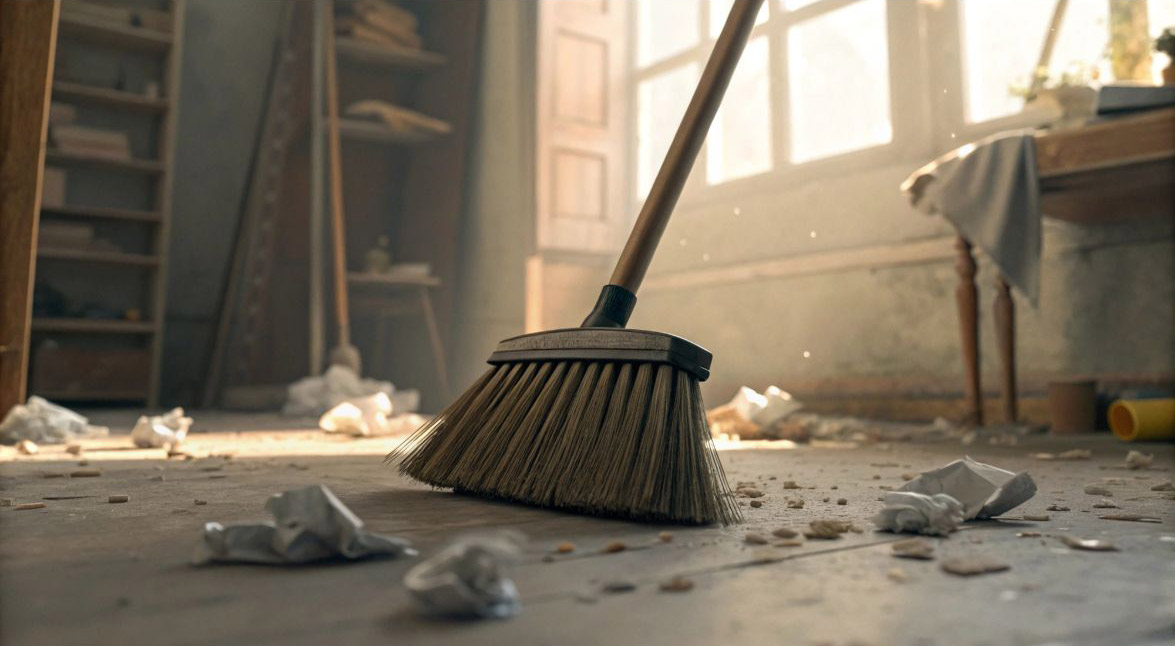
Norwegians hide their brooms on Christmas Eve to prevent witches and evil spirits from stealing them to fly. This belief dates back to folklore where Christmas Eve was thought to blur the boundary between worlds. You would think they would at least sweep your floor before stealing your stuff.
Ukraine – Spider Web Christmas Trees
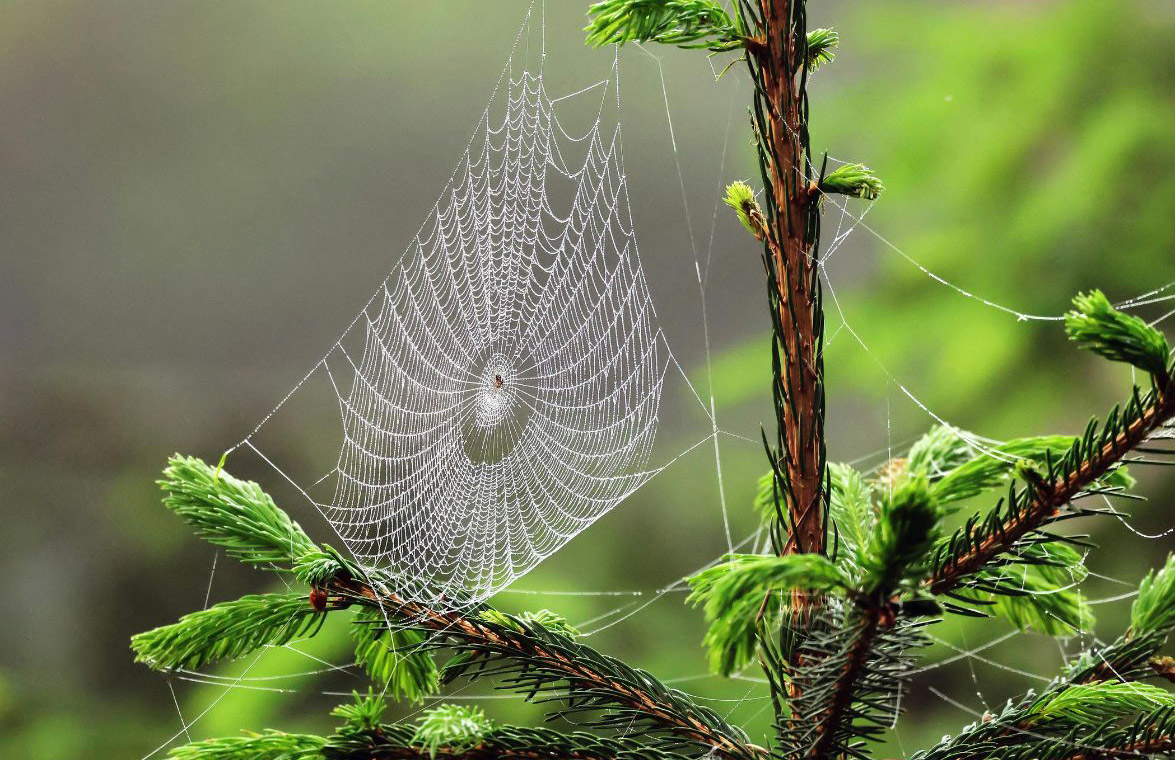
Ukrainian Christmas trees are often decorated with shimmering spider webs, based on a folk tale in which a poor family wakes to find their cobwebs turned to silver. It’s a beautiful symbol of hope, luck, and transformation – and a bold choice for anyone with arachnophobia hosting Christmas dinner. Also great for terrifying guests.
Iceland – The Yule Cat
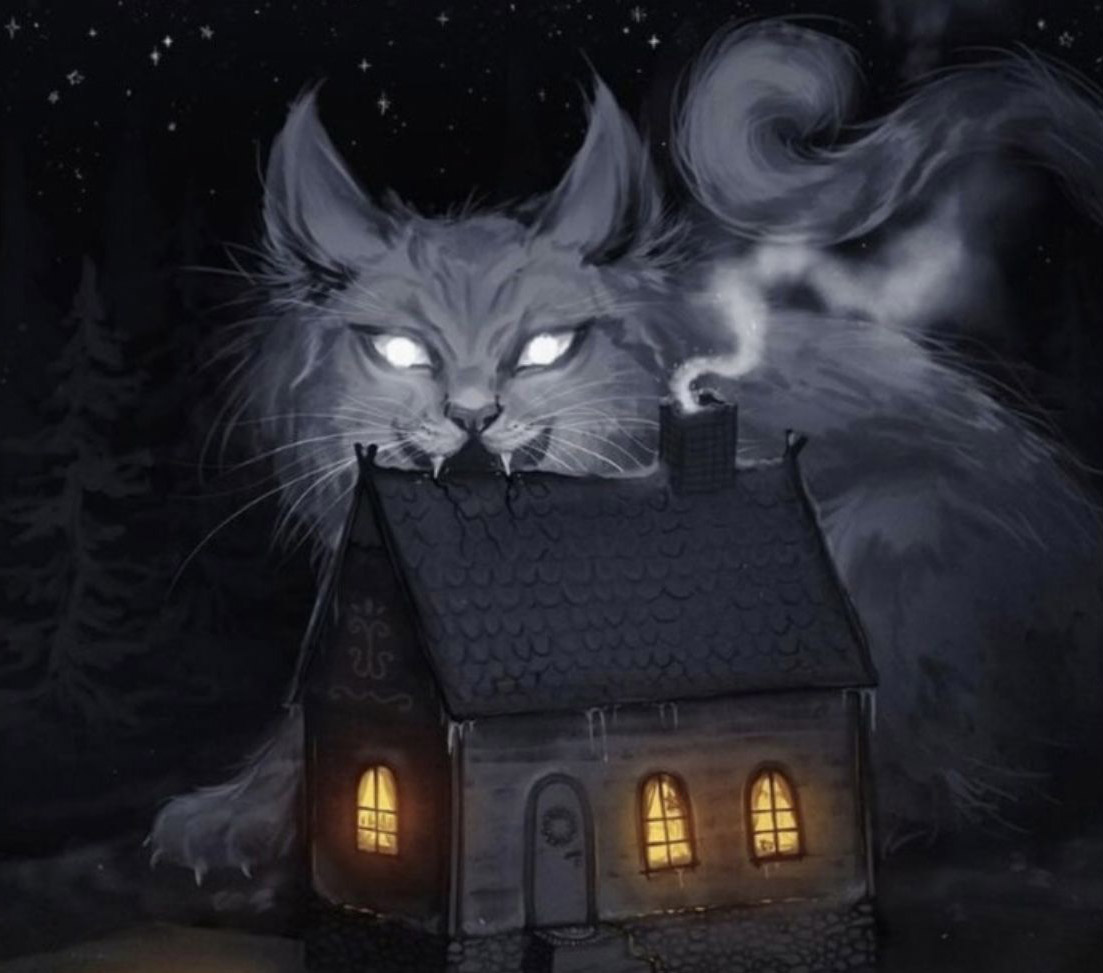
The Yule Cat is a gigantic feline who prowls the countryside eating anyone who doesn’t receive new clothes for Christmas. Originally intended to motivate people to finish their winter work, it now mostly motivates panic shopping and the gifting of socks. Fear works.
Finland – Christmas Sauna
Finnish families traditionally begin Christmas Eve with a sauna. The idea is to cleanse the body and spirit before the holiday begins. It’s quiet, reverent, and calming – making this a Christmas tradition we should all probably consider.

Switzerland – Dancing Onion Crowns
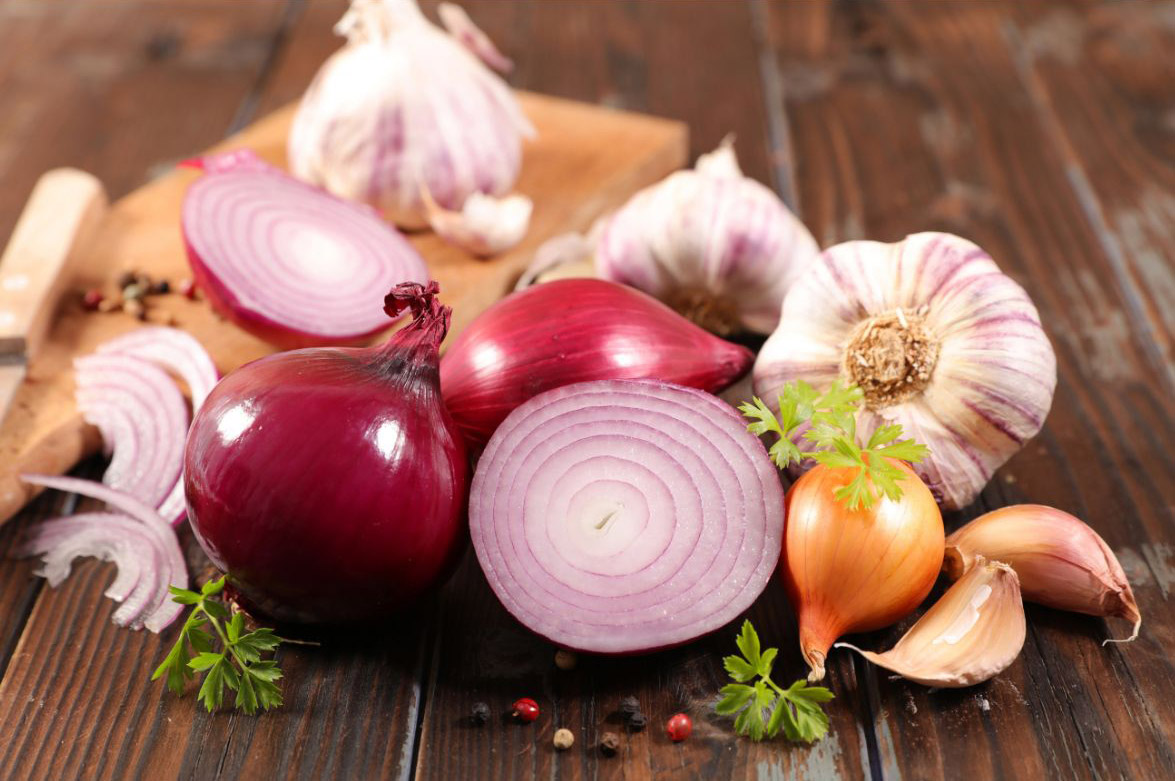
Children in parts of Switzerland wear crowns made of onions and dance in marketplaces during Advent. There is no clear explanation. Some traditions don’t want to be explained. They just exist and smell faintly of soup.
The Americas: Chaos, Costumes & Mild Fear
USA – Pickle Ornament
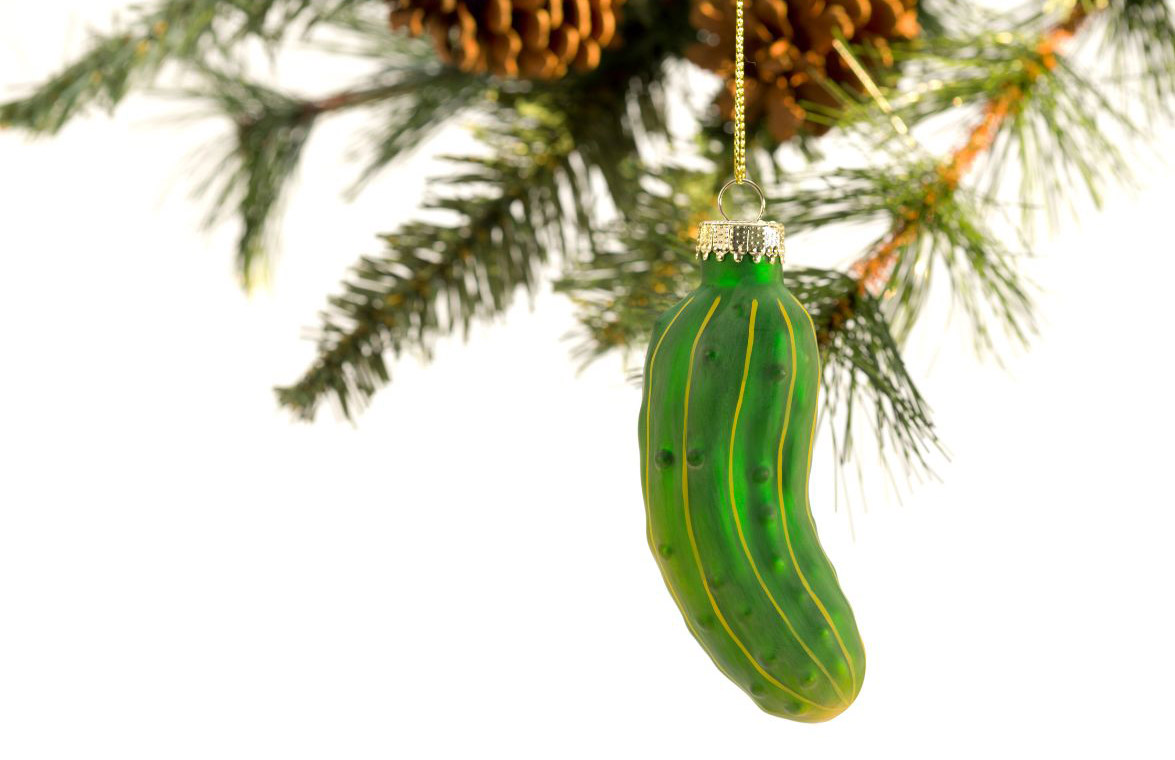
A pickle is hidden in the Christmas tree and whoever finds it gets a prize. No one really knows how this tradition started. The most likely story is that in the 1880s, German glassmakers (like those in Lauscha) started exporting ornaments shaped like fruits and vegetables, including pickles, to American stores like Woolworth’s. To boost sales, a clever salesperson may have invented the “old German tradition” of the Weihnachtsgurke (Christmas pickle) for American consumers. However, most German-Americans are unfamiliar with it.
Mexico – Las Posadas
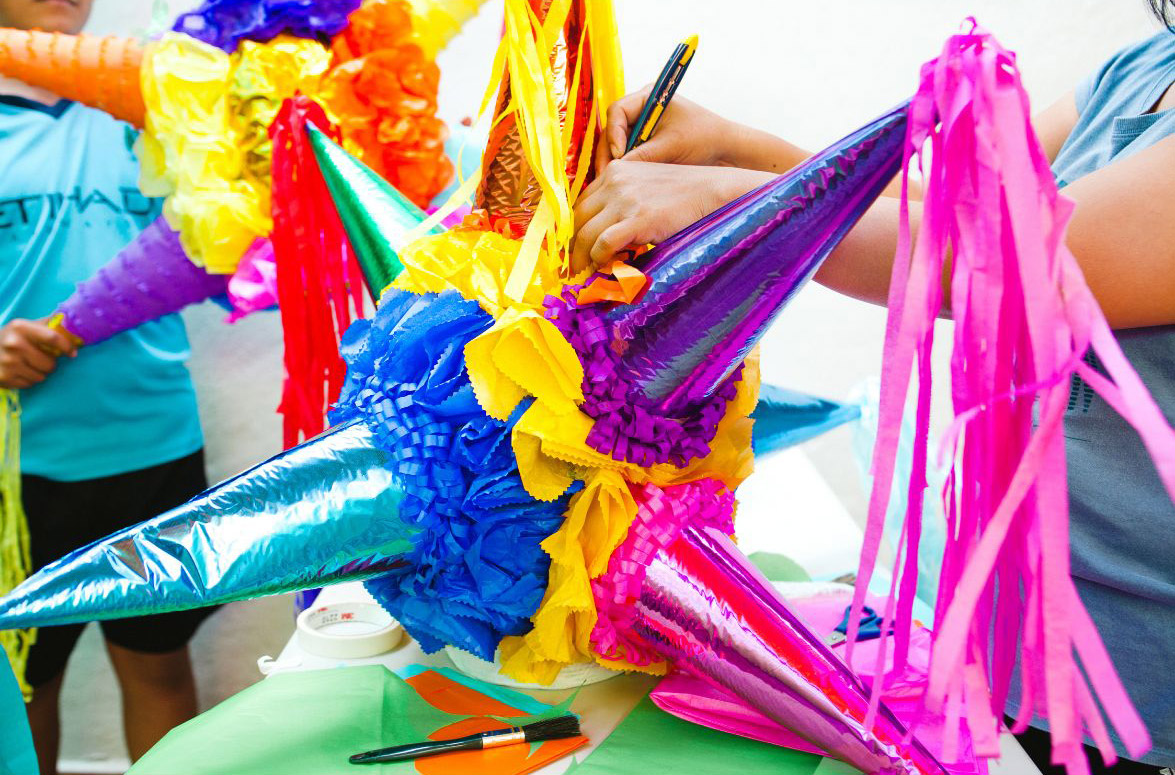
For nine nights before Christmas, families reenact Mary and Joseph’s search for shelter, moving from house to house singing until finally welcomed inside by a friendly neighbor. The night ends with food, celebration, and the joyful destruction of a star-shaped piñata, because nothing says “peace on earth” like blindfolded stick violence.
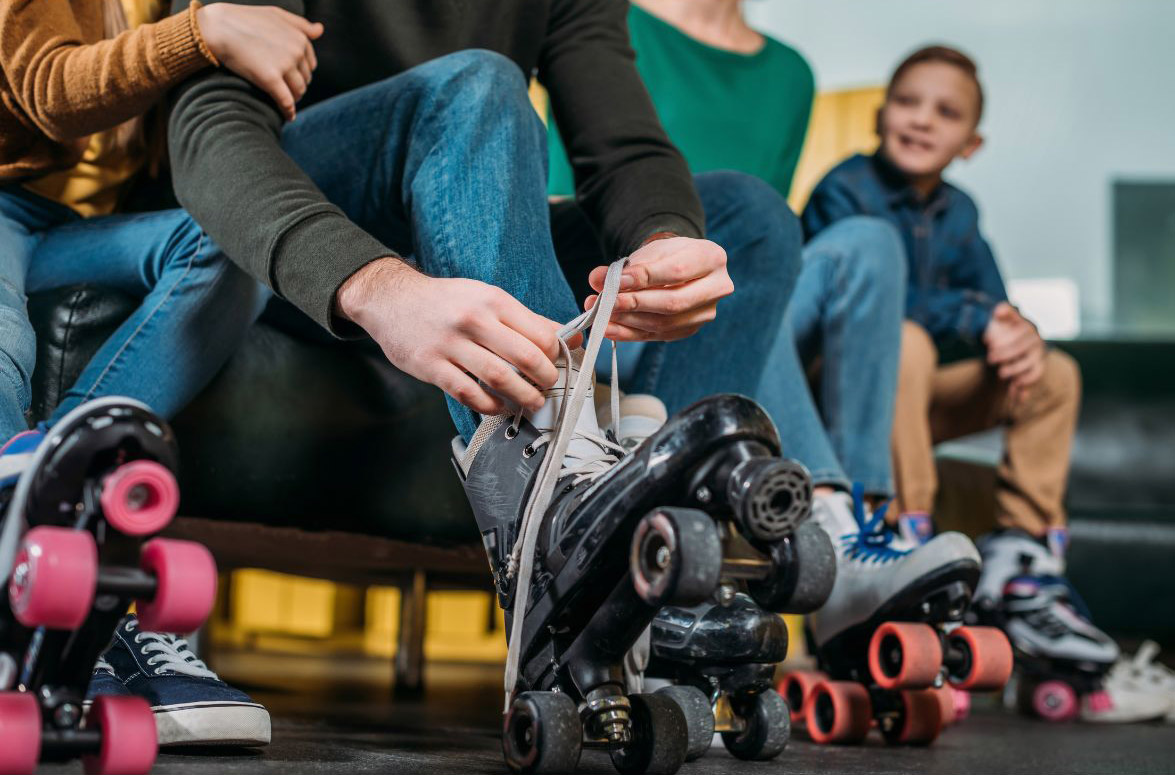
Venezuela (Caracas) – Roller-Skating to Church
In Caracas, it’s traditional for children to roller-skate to early morning church services in the days leading up to Christmas. Legend has it that kids sleep with a string tied to their toe, with the other end attached to the bed, so someone can tug it to wake them. This feels like a logistical nightmare and a personal injury attorney’s dream, but also kind of magical.
Asia: Surprising, Commercial, and Slightly Romantic
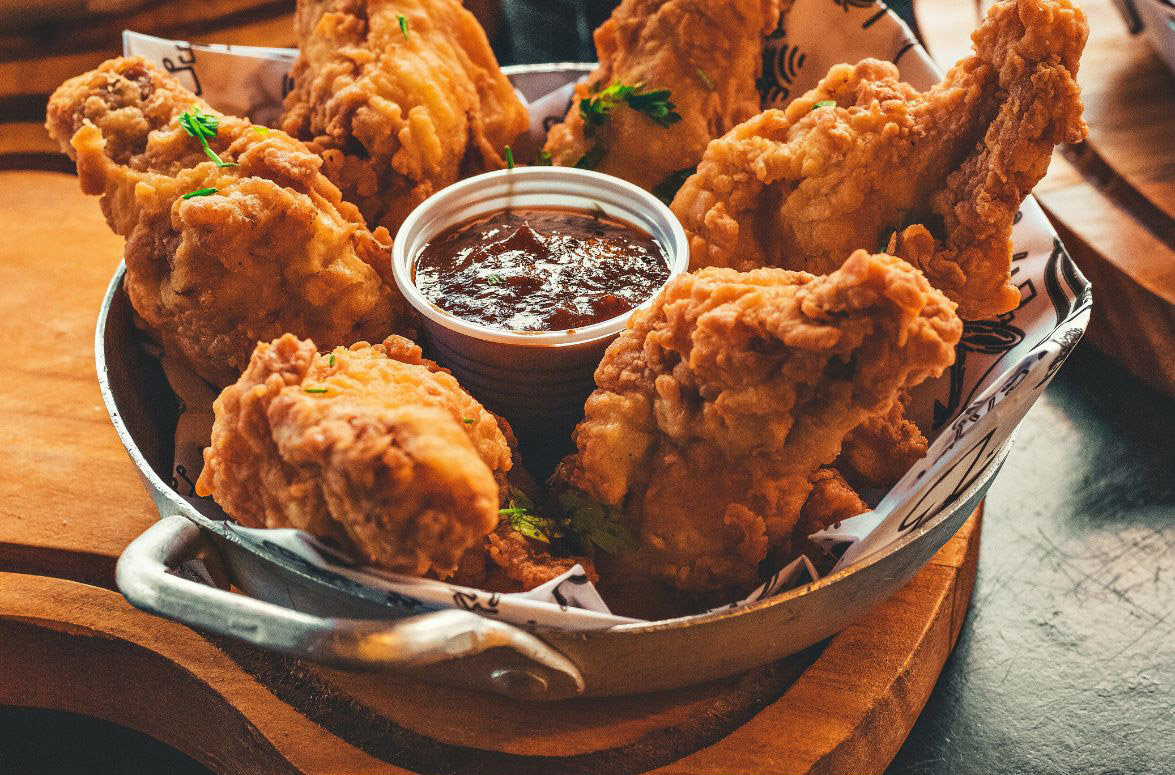
Japan – KFC Christmas Dinner
Fried chicken is the Christmas meal. Thanks to a wildly successful 1970s marketing campaign, fried chicken from KFC is now the official Christmas meal in Japan. Families place orders weeks in advance. It’s proof that tradition is just nostalgia plus advertising – and that gravy transcends culture.
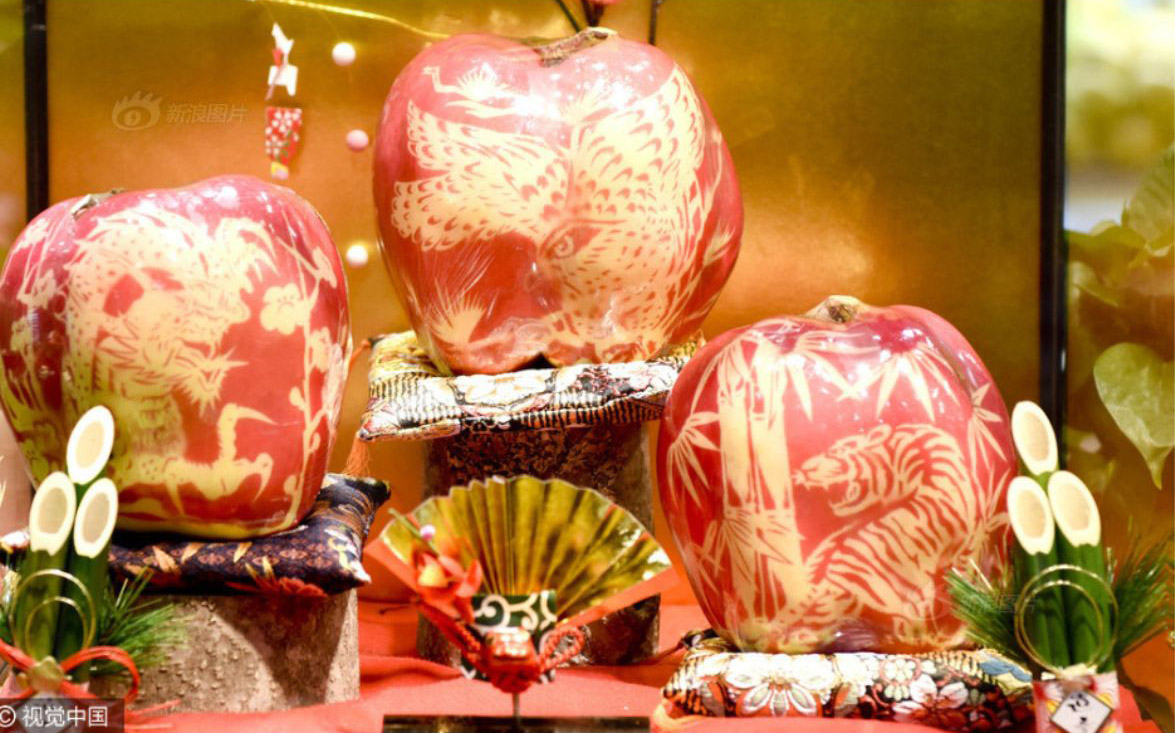
China – Apples of Peace
China’s “peace apples” (平安果, píng’ān guǒ) tradition involves gifting beautifully wrapped apples on Christmas Eve, a playful linguistic link where the Chinese word for apple (píngguǒ, 苹果) sounds like píng’ān (平安), meaning peace or safety, and píng’ān yè (平安夜), the phrase for Christmas Eve. This modern custom, popular with youth, turns the humble apple into a meaningful symbol for wishing someone a peaceful, safe, and happy holiday, blending Western festivities with Chinese culture. Linguistics wins. Image courtesy of CGTN
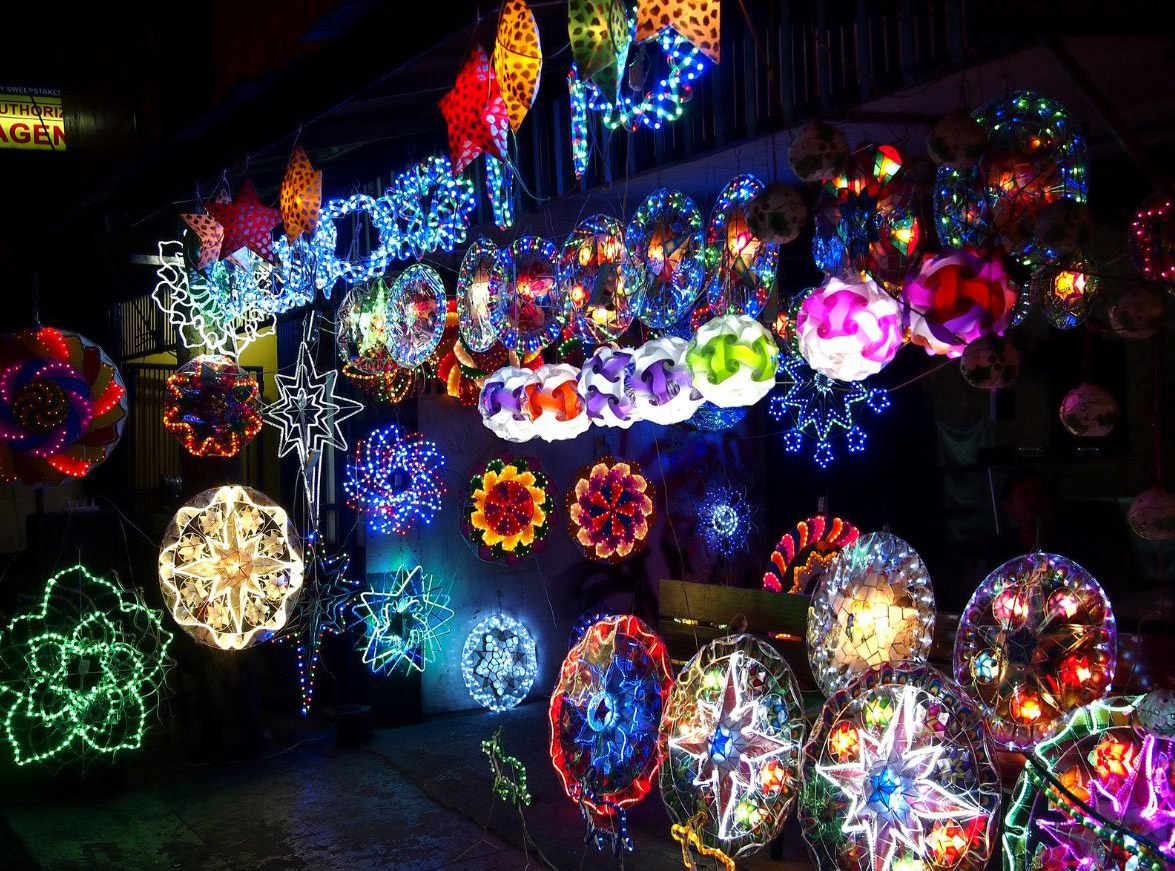
Philippines – Giant Lantern Festival
The Philippines’ famous lantern festival is the Giant Lantern Festival (Ligligan Parul) held annually in San Fernando, Pampanga, (aka the “Christmas Capital,”).The festival kicks off the holiday season and features massive, kaleidoscope lanterns (parols) that symbolize the Star of Bethlehem and showcases Filipino artistry. Think: Christmas but make it Vegas-level.
Africa – Symbolism With Style
South Africa – Caterpillar Feast
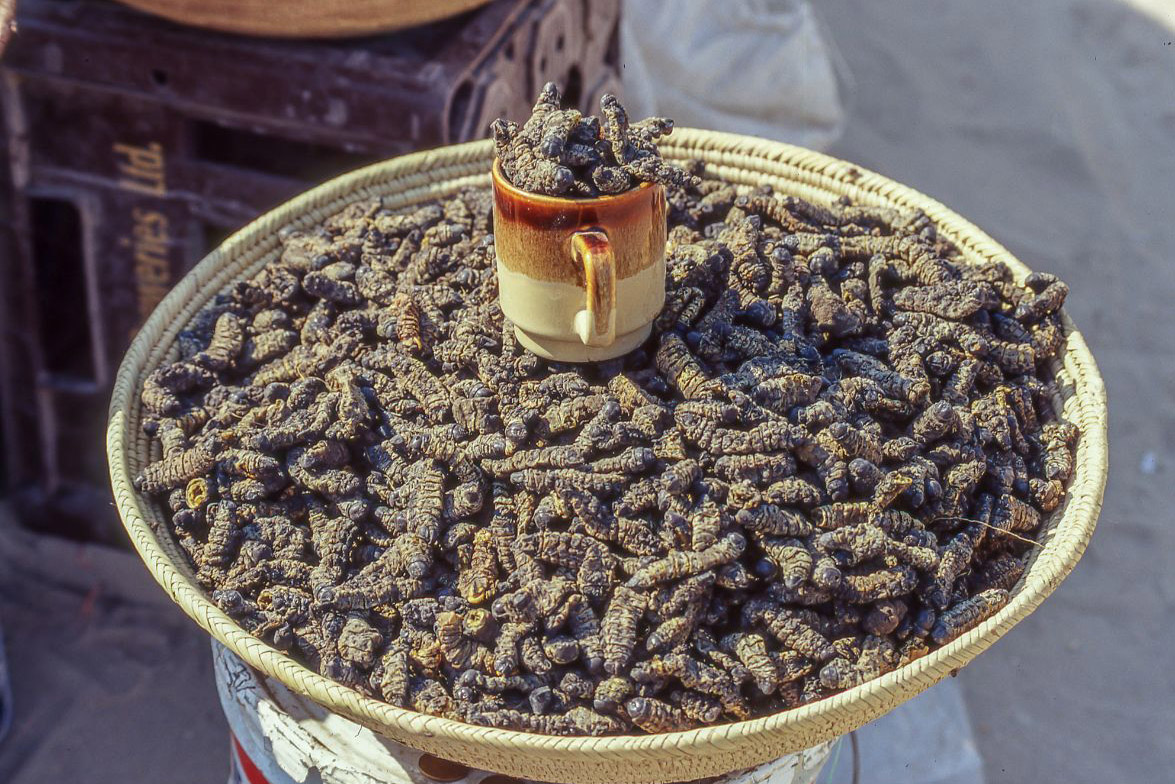
In parts of South Africa, fried caterpillars are a Christmas delicacy. Caterpillar feasting primarily involves eating Mopane worms (Emperor moth caterpillars), a nutritious, protein-rich delicacy harvested from Mopane trees. This holiday traditional dish is often fried with tomatoes and onions or served with pap (maize porridge) for a hearty meal. They’re crunchy, protein-rich, and are described as tasting like tea or chicken, with a rich flavor from their skin. Many South Africans believe eating Mopane worms, especially at Christmas, will bring good luck. However, this is usually where Westerners politely nod while reconsidering their gustatory stance against Brussels sprouts.
What Christmas or holiday traditions do you and your family follow every year?